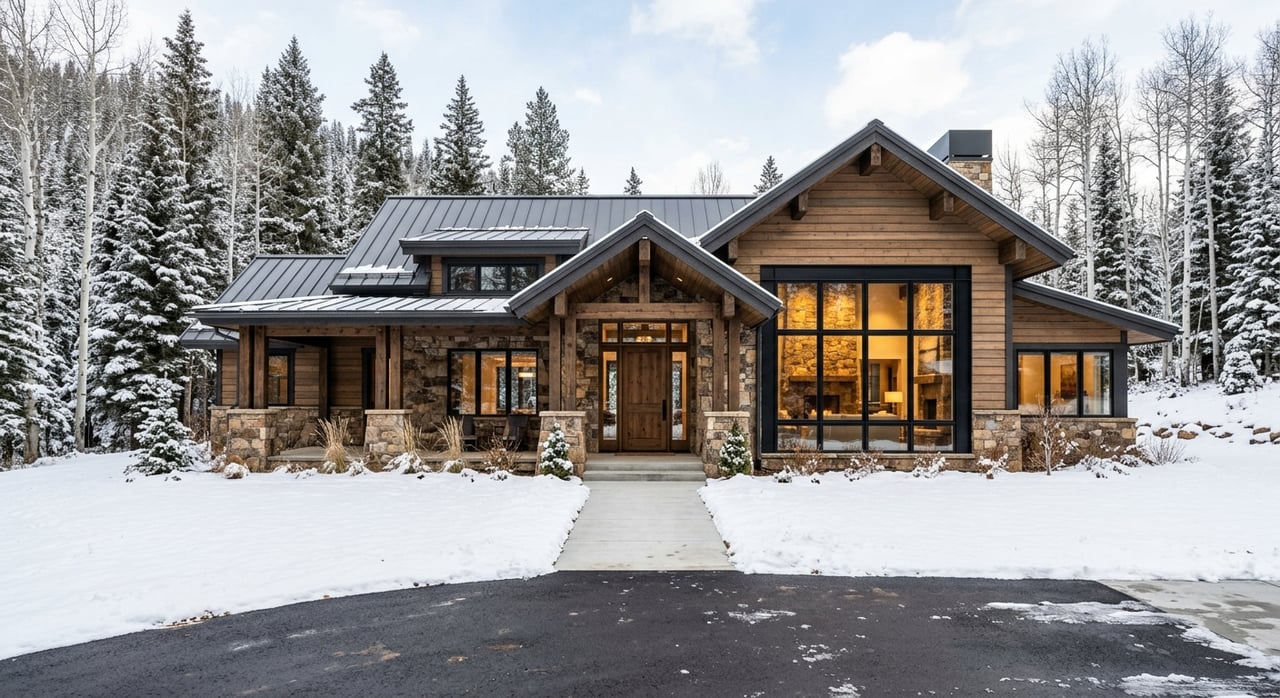
Wondering whether Bozeman or Big Sky should be your home base? It is a common question in Gallatin County, especially if you want mountain access without losing sight of everyday convenience. The good news is that each market serves a different kind of lifestyle, and once you understand the tradeoffs, the right choice becomes much clearer. Let’s dive in.
Bozeman vs. Big Sky at a glance
If you zoom out, the biggest difference is simple: Bozeman functions more like a year-round primary-home market, while Big Sky functions more like a resort and second-home market. That distinction shows up in pricing, inventory, rentals, commuting patterns, and even how people use each location day to day.
For many buyers, this is not really a question of which place is better. It is a question of which place fits the way you actually want to live. If you want a full-time base with easier logistics, Bozeman often makes sense. If you want a mountain-focused retreat with resort access at the center of daily life, Big Sky may be the better fit.
Commute and travel convenience
Living with the Bozeman to Big Sky corridor
For many people, daily life is shaped less by a map and more by transportation friction. If you expect frequent airport trips, regular commuting, or easier day-to-day flexibility, this category matters a lot.
According to the Montana Department of Transportation corridor study, Skyline Bus provides year-round scheduled public transit between Bozeman and Big Sky. In winter, it runs 13 buses from Bozeman to Big Sky and 14 back each day, and the service is primarily used by commuters.
That same study notes that more employees are expected to commute daily from the greater Bozeman area because of housing constraints. In other words, the Bozeman-to-Big Sky connection is already part of the region’s normal rhythm.
Airport access differences
Airport convenience is one of the clearest practical advantages Bozeman offers. Bozeman Yellowstone International Airport describes itself as centrally located in the Gallatin Valley and notes ground transportation options that include local buses, charters, shuttles, taxi, and rideshare services.
Big Sky is certainly accessible, but it takes more planning. Visit Big Sky’s transportation page says Big Sky is about an hour’s drive south of the Bozeman airport, rideshare apps like Uber and Lyft are unavailable in the Big Sky area, and transportation can fill up quickly during peak season.
Who benefits most from Bozeman
If you are a frequent flyer, hybrid worker, or buyer who wants fewer moving parts in daily life, Bozeman often wins on convenience. You still get strong regional access to outdoor recreation, but with easier airport logistics and more transportation options.
If your priority is being closer to the resort environment itself, Big Sky may still be worth the tradeoff. The key is deciding whether you want your home base built around everyday efficiency or destination-style access.
Schools and day-to-day fit
Bozeman school options
For buyers comparing full-time living options, school structure can help clarify the choice. Bozeman School District 7 serves the city and surrounding rural area, enrolls 5,350 students, and includes eight elementary schools, two middle schools, a senior high school, and an alternative high school program.
That gives Bozeman a broader in-district structure and more options within one system. For some households, that range supports a more traditional year-round setup.
Big Sky school options
Big Sky offers a smaller school ecosystem. Big Sky School District includes Ophir Elementary, Ophir Middle School, and Lone Peak High School, along with International Baccalaureate diploma and primary-years programs.
The area also includes Big Sky Community School, a nonprofit K-12 school serving local families through a hybrid model. The school opened its new home in January 2026.
What families should consider
Bozeman generally offers more breadth and more in-district choices. Big Sky offers a smaller, more intimate structure. Neither is automatically right for everyone, but they support different preferences.
If you want more system-wide options and a city-based primary residence, Bozeman may feel like the more practical choice. If you want a smaller community setting and plan to center your life around Big Sky itself, that environment may be a better fit.
Recreation and lifestyle
Bozeman as an everyday base
Bozeman is not just the practical choice. It is also a strong recreation hub in its own right. Montana State University’s Bozeman recreation overview highlights skiing, Yellowstone access, hundreds of miles of trails minutes from downtown, Hyalite Canyon and Reservoir, and Gallatin Regional Park.
If skiing matters to you, Bridger Bowl is only 20 minutes north of Bozeman and offers 2,000 acres of terrain with a strong beginner-to-intermediate mix. That means you can build a full outdoor lifestyle in Bozeman without needing to live in a resort market full time.
Big Sky as a resort base
Big Sky delivers a different kind of lifestyle appeal. The area is known for skiing, hiking, fly fishing, mountain biking, golf, rafting, and access to Yellowstone, with mountain living and resort access shaping the day-to-day experience.
For buyers who picture mornings closer to the mountain and want a true resort setting, Big Sky offers that immersion. It is less about convenience and more about direct access to the lifestyle you came for.
A two-property strategy
For some buyers, the best answer is not Bozeman or Big Sky. It is Bozeman and Big Sky, just in different roles. A Bozeman primary home plus a Big Sky second home can be a logical model for buyers who want easier daily living while still keeping a foothold in the resort market.
That strategy lines up with the region’s existing patterns. Big Sky’s housing profile leans heavily toward second-home use, and commuting between Bozeman and Big Sky is already part of the corridor’s daily reality.
How to choose your home base
Choose Bozeman first if you want
- A year-round primary residence
- Lower typical housing costs than Big Sky
- More school-system breadth
- Easier airport access and transportation options
- A practical base for commuting or hybrid work
Choose Big Sky first if you want
- Resort living at the center of your lifestyle
- Direct access to mountain-oriented recreation
- A market shaped by second homes and vacation properties
- A purchase that aligns with a retreat, seasonal, or luxury-resort mindset
- Comfort with higher prices and a slower-moving market
Consider both if you want
- A practical everyday base in Bozeman
- A second home in Big Sky for ski season or extended stays
- Flexibility between full-time function and resort access
- A long-term lifestyle strategy rather than a one-property answer
The right choice depends on how you live
The best home base is the one that supports your real routine, not just your ideal weekend. If you want more convenience, broader housing options, and a strong year-round setup, Bozeman often makes the most sense. If you want resort living, mountain immersion, and a property that feels more like a destination, Big Sky may be the better match.
If you are weighing both markets, working with someone who understands how resort, relocation, and second-home goals overlap can save you time and help you buy with more confidence. If you want help comparing options in Bozeman, Big Sky, or both, connect with Callie Pecunies for a personalized strategy built around how you want to live.
FAQs
Is Bozeman or Big Sky better for a full-time primary residence?
- Bozeman is often the more practical full-time choice because it has lower typical home values than Big Sky, more school options, stronger airport access, and a market that functions more like a year-round residential market.
Is Big Sky mainly a second-home market?
- Big Sky has strong second-home characteristics. The research report notes that the community is largely comprised of second homeowners, and many units are used as short-term vacation rentals rather than long-term residences.
How far is Big Sky from the Bozeman airport?
- Big Sky is about an hour’s drive south of Bozeman Yellowstone International Airport, according to Visit Big Sky.
Is there public transportation between Bozeman and Big Sky?
- Yes. Skyline Bus provides year-round scheduled public transit between Bozeman and Big Sky, and the MDT corridor study says it is used primarily by commuters.
What is the biggest lifestyle difference between Bozeman and Big Sky?
- The biggest difference is that Bozeman tends to work better as an everyday living base, while Big Sky is more centered on resort living and second-home use.