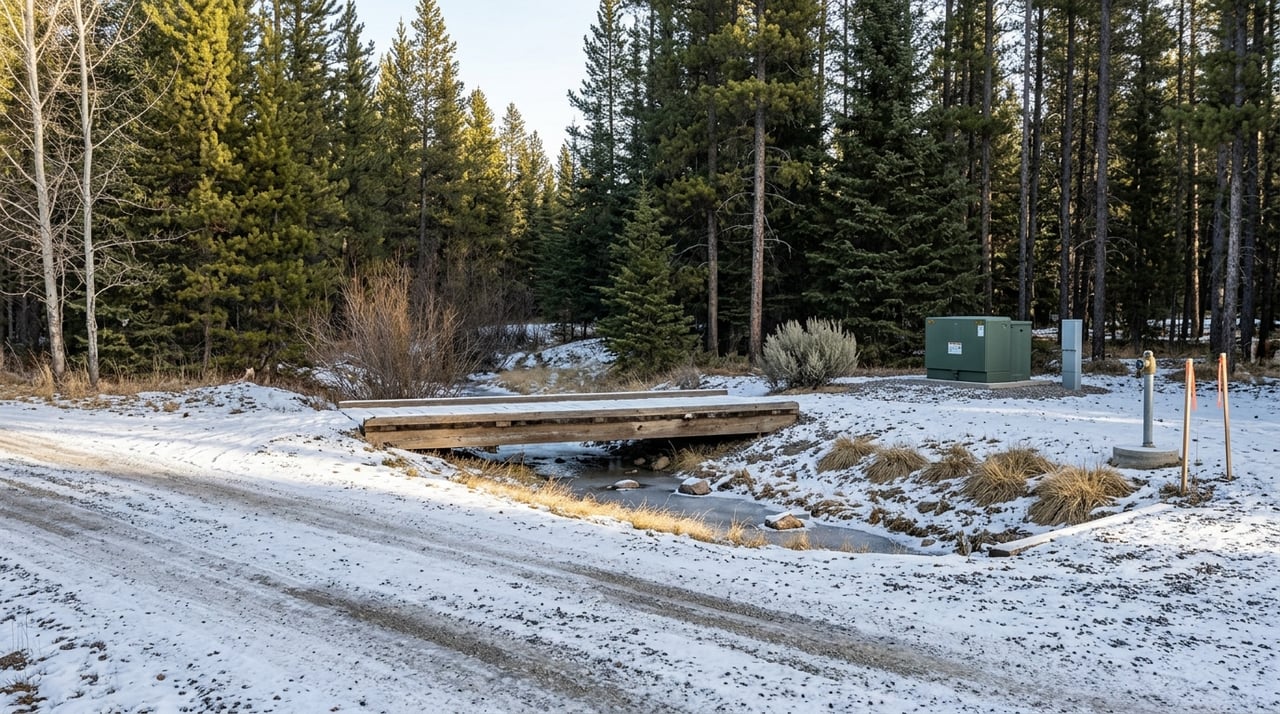
If you are buying recreational land in Madison County, it is easy to focus on the views first. The mountains, rivers, and open valleys can make a parcel feel like the perfect basecamp for fishing, riding, hunting season, or a future cabin. But before you fall in love with a piece of ground, you need to understand how access, water, easements, floodplain issues, and county rules can shape what you can actually do with it. Let’s dive in.
Why Madison County Land Requires Careful Review
Madison County has a very different land-use picture than many buyers expect. According to the county’s 2025 Growth Policy, there is no countywide zoning outside incorporated towns, although towns like Twin Bridges, Virginia City, and Ennis have zoning, and Sheridan has started that process.
That does not mean land is free from regulation. The county still reviews development through subdivision rules, floodplain standards, and airport-affected-area regulations, which means a recreational parcel may still involve important approval questions if you want to build, divide, or improve it later.
Check Access Before Anything Else
Access is often the first major issue with rural land, and it deserves close attention in Madison County. The county distinguishes between legal access and physical access, and both matter.
Legal access means the lot reaches a public road or has adequate easements from a public road to the parcel. Physical access means the road itself meets applicable subdivision design standards under the county’s subdivision regulations.
For you as a buyer, this means a road on a map is not enough. You want to know who has the legal right to use it, who maintains it, whether it is drivable year-round, and how snow, runoff, or spring conditions affect entry.
Madison County maintains more than 1,200 miles of roads across three road districts, according to the county growth policy. In a place with long winters and varied terrain, road maintenance responsibility can make a big difference in how usable your land feels from one season to the next.
Ask About Easements and Road Maintenance
A seller may describe a parcel as having access, but you should confirm the details in writing. In land transactions, the practical questions are often the most important ones.
Ask questions like:
- Is access deeded and recorded?
- Does the parcel front a public road, or rely on a private easement?
- Who maintains the road or easement?
- Is the route usable throughout the year?
- Are there any restrictions on improving the road?
If you are thinking long term, access matters even more. County subdivision materials also point to approach, access, and encroachment permit questions that can affect future plans.
Know the Rules Near Rivers and Public Land
Many buyers want land near water, and Madison County certainly offers that appeal. But river access and adjacent public land access are not always as broad as buyers assume.
Montana’s Stream Access Law allows the public to use rivers and streams for recreation up to the ordinary high-water mark, but it does not allow people to cross private land to reach the water. Public access may exist from a public bridge or county road right-of-way, but private land ownership still matters.
If your parcel borders state trust land, the rules are different again. The Montana DNRC explains that a conservation license is required for dispersed recreation on state trust land for people age 12 and older, and public roads are open while other roads are generally closed unless posted otherwise.
Understand Subdivision and Future Use Limits
A common mistake with recreational land is assuming today’s use is the same as tomorrow’s options. In Madison County, subdivision review is active even though countywide zoning is limited.
The county’s subdivision regulations adopted in 2025 explain that a subdivision in Montana generally means a division of land that creates parcels of less than 160 acres. The county review process typically begins with pre-application, preliminary plat, and final plat steps.
If you are buying acreage for recreation today but hope to add a cabin, create another parcel later, or hold the land as a longer-term investment, those future plans need to be part of your due diligence before you write an offer.
Airport Areas Can Affect Development
This is an easy issue to miss if you are focused on views and access. Madison County says it enforces airport affected area regulations around both Ennis Big Sky Airport and Twin Bridges Airport.
If a parcel lies within one of those designated areas, construction and development may be subject to additional standards. That is worth checking early if your ideal property is near either airport corridor.
Water Rights and Wells Matter More Than Buyers Expect
Water is one of the most important parts of any Montana land purchase. A creek nearby or a historic use on the property does not automatically mean the parcel comes with usable, transferable water rights.
The Montana DNRC states that a recorded water right is required for the majority of water uses to be valid and defensible. New beneficial uses of surface water or groundwater after June 30, 1973 generally require a permit or notice process, and ownership changes for an entire water right must be handled through DNRC procedures.
For recreational buyers, the key question is simple: what water rights, if any, are actually included in the sale, and how are they documented? If rights have been severed, reserved, or transferred, that can directly affect your plans.
Use Well Data as a Pre-Offer Tool
If the property will rely on a well, nearby groundwater information can give you valuable context. Montana Bureau of Mines and Geology offers the Ground Water Information Center, which includes well logs, hydrographs, groundwater-flow maps, and water-quality reports.
This can be a smart step before you go under contract. It may help you understand nearby well depths, reported performance, and general groundwater conditions in the area.
Review Septic, Sanitation, and Utility Feasibility
Raw land often looks simple until you start asking how it will function. For many recreational buyers, the real question is not just whether the parcel is beautiful, but whether it can support the type of use you want.
For parcels under 20 acres, the Montana DEQ reviews sanitation issues before lots are created. Through the COSA process, permitted use, potable water source, wastewater method, and stormwater approach are identified.
If a parcel has a prior COSA or lot layout, that can be extremely helpful. It gives you a clearer picture of whether a future cabin, septic system, or water setup aligns with the approved use of the land.
Utilities Are Part of the Value Equation
Madison County’s subdivision regulations require utility easements and state that utilities should be placed underground when technically feasible. That means utility availability is not a side issue. It is part of how you evaluate the property.
Before moving forward, confirm what is available for power, communications, and other services, where easements exist, and what extension costs may look like. On remote or lightly improved parcels, those costs can meaningfully change your budget.
Floodplain, Drainage, and River Setbacks Can Limit Building
Land near water can be stunning, but it can also carry real building constraints. Madison County participates in the National Flood Insurance Program, and its subdivision rules say land subject to flooding may not be subdivided for building or residential purposes.
The same regulations also establish notable river setbacks, including 500 feet from the Madison River and 150 feet from the Big Hole, Jefferson, Ruby, Beaverhead, and South Boulder Rivers. Floodway land may still be used for agriculture, open space, wildlife habitat, parkland, and recreation, but those uses are very different from a future homesite.
Madison County also notes in its growth policy that it does not operate formal stormwater systems. In practical terms, runoff and drainage are usually site-specific issues, so topography and seasonal water movement deserve careful review.
Watch for Ditch Easements and Conservation Easements
Not all restrictions are obvious when you walk a parcel. Some of the most important limits are recorded in easements, deed language, or title documents.
If irrigation ditches or canals cross the land, Madison County requires ditch and irrigation easements designed to protect existing water delivery rights. That can affect where you build, how you fence, and how the land functions over time.
Conservation easements are another major item to check. As Montana State University Extension explains, a conservation easement is a voluntary legal agreement that permanently limits certain land uses while the owner keeps title. Depending on the language, it may restrict subdivision, roads, buildings, or mineral development.
Madison County’s growth policy notes that conservation easements are already present throughout the Ruby and Madison valleys. So if you are buying in those areas, easement review should be part of your early due diligence, not an afterthought.
Wildfire and Emergency Access Deserve Attention
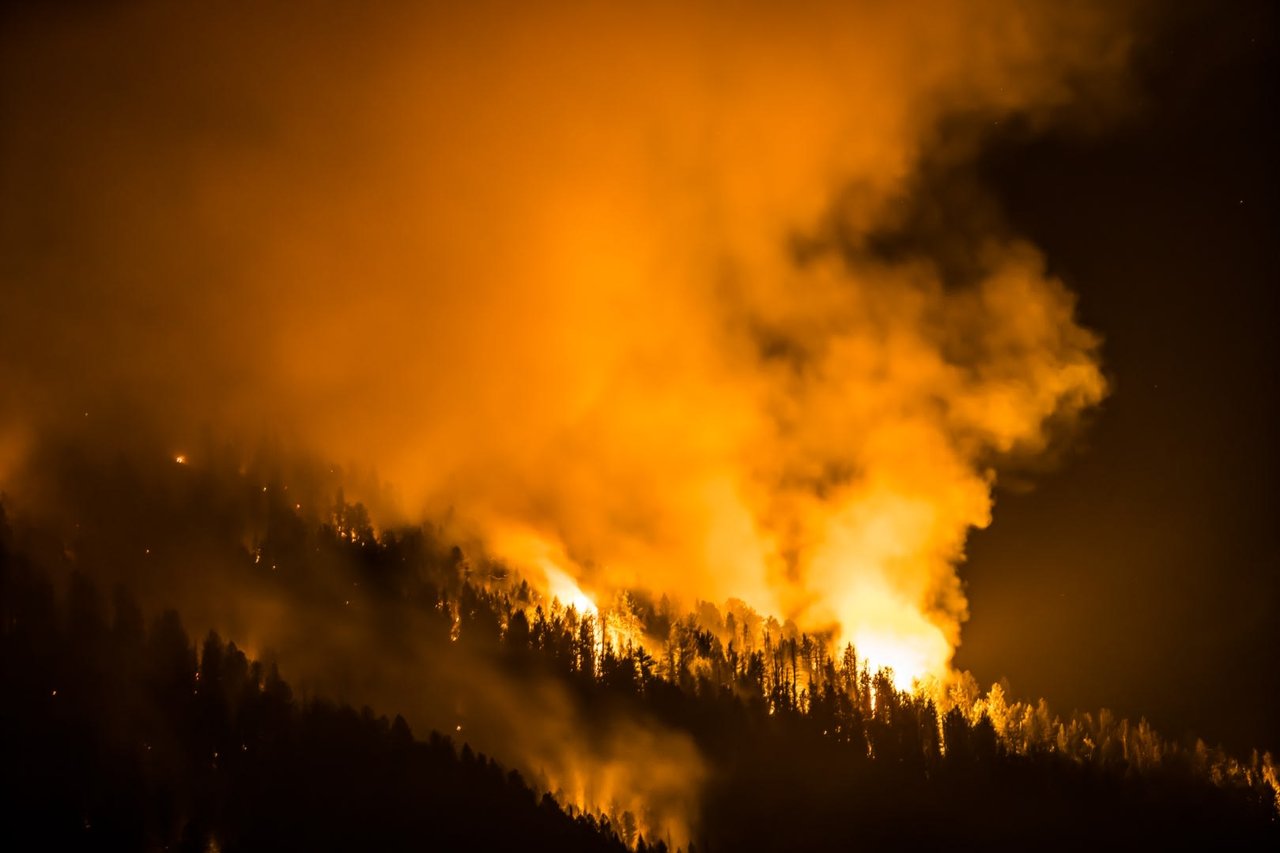
In a mountain county, wildfire planning is part of responsible land ownership. Madison County has a fuels mitigation and defensible space program, and its subdivision regulations allow higher access standards in wildland-residential interface areas when fire officials recommend them.
For recreational parcels, this matters in two ways. First, wildfire conditions may influence where and how you build. Second, emergency access standards can affect road design, driveway improvements, and long-term costs.
A Smart Pre-Offer Checklist
Before you buy recreational land in Madison County, it helps to slow down and work through the facts that shape usability and future value. A good property search is not just about finding the right setting. It is about confirming the land supports your goals.
Here is a practical checklist to use before writing an offer:
- Confirm whether the parcel is inside an incorporated town or an area affected by town zoning, interlocal review, or airport regulations.
- Verify legal access, recorded easements, and year-round road maintenance responsibility.
- Ask whether water rights are included and whether transfer or ownership records are complete.
- Review well data and groundwater information where applicable.
- Check whether septic or other sanitation is feasible and whether a COSA or lot layout exists.
- Identify floodplain issues, river setbacks, and drainage concerns.
- Look for conservation easements, ditch easements, deed restrictions, and mineral-right reservations.
- Ask whether utility easements, road standards, and permit triggers have been reviewed if a cabin, shop, or future split is part of your plan.
- Before starting any improvement, ask the county whether a construction or demolition permit from the county sanitarian is required.
Buying land here can be incredibly rewarding when the property fits the lifestyle you want and the facts support the vision. If you are considering recreational acreage in Madison County and want a grounded, local perspective on access, land use, and the bigger purchase picture, connect with Callie Pecunies for thoughtful guidance tailored to your goals.
FAQs
What should you check first when buying recreational land in Madison County?
- Start with legal and physical access, including recorded easements, road maintenance responsibility, and whether the route is usable year-round.
Do Madison County recreational parcels have zoning restrictions?
- Madison County does not enforce countywide zoning outside incorporated towns, but subdivision review, floodplain rules, and airport affected area regulations can still apply.
Are water rights included with recreational land in Madison County?
- Not always. You should verify whether any water rights are included in the sale and confirm that ownership and transfer records are properly documented with DNRC.
Can you build a cabin on recreational land in Madison County?
- Possibly, but you should first confirm access, sanitation feasibility, floodplain and setback limits, utility easements, and whether county permits or subdivision-related rules apply.
How do river setbacks affect Madison County land use?
- County subdivision rules include major setbacks such as 500 feet from the Madison River and 150 feet from several other rivers, which can limit where future improvements may be placed.
What is a conservation easement on Madison County land?
- A conservation easement is a legal agreement that can permanently limit certain land uses, such as subdivision, roads, buildings, or mineral development, while the owner keeps title to the property.