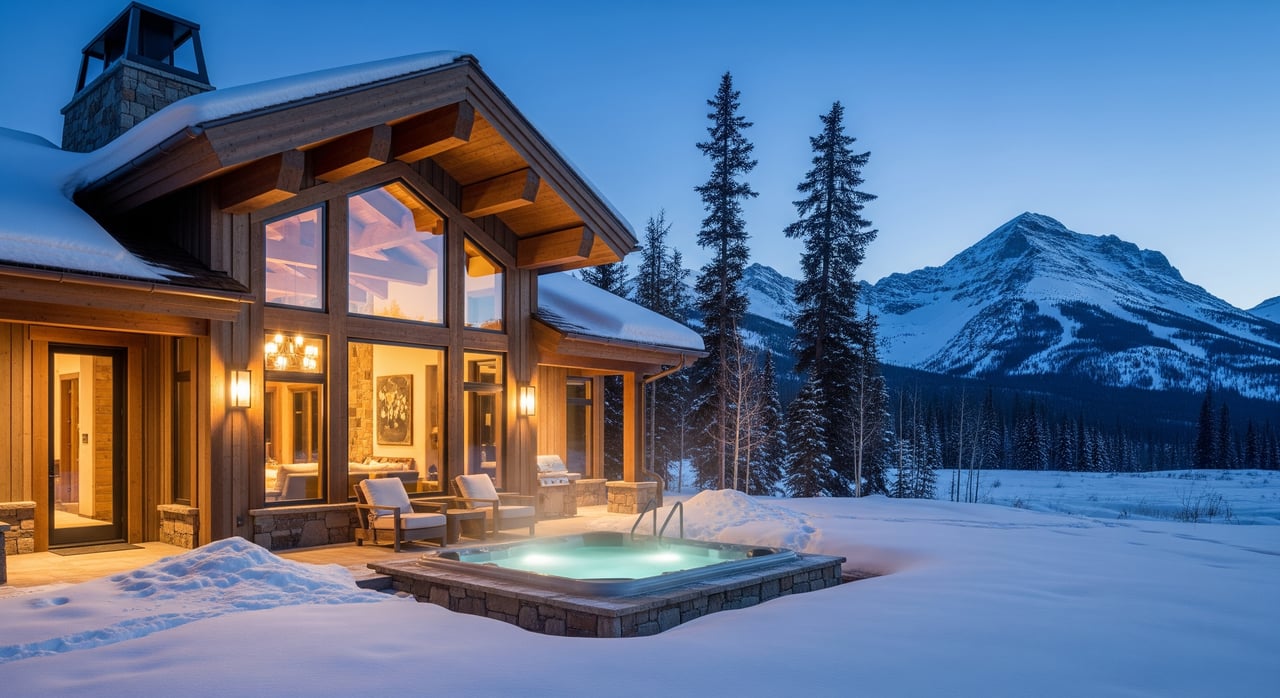
Thinking about buying in Big Sky and wondering if you can rent your place by the night? You are not alone. Nightly rental rules in 59730 can be confusing because they depend on both county zoning and neighborhood covenants. In this guide, you will learn how permissions really work in Meadow Village, how Mountain Village differs, and the exact steps to confirm a property’s status before you write an offer. Let’s dive in.
What “nightly rental designation” means
There is no single, universal designation in Big Sky. Your ability to rent by the night depends on two layers that must align:
- Government rules set by Gallatin County zoning and permits.
- Private rules in HOA Covenants, Conditions and Restrictions, plus any association rental policies.
If county zoning allows the use but the HOA prohibits it, you cannot operate an STR. If the HOA allows it but zoning does not, the county can still stop the use. You need both boxes checked.
Who sets the rules in 59730
- Gallatin County Planning and Zoning is the baseline for land use. Start by confirming the parcel’s zoning, any overlays, and whether short-term rentals are permitted with or without a special or conditional use. You can begin with the county’s official site for planning contacts and records at the Gallatin County website.
- HOAs and condo associations in Meadow Village often have CCRs that control minimum stay length, guest conduct, parking, and whether you must use an approved property manager. These private rules can be stricter than county zoning.
- Resort and village entities in the Mountain Village area may operate master associations or resort rental programs that shape how nightly rentals are managed. For an overview of resort-area services and programs, explore Big Sky Resort.
- Licensing and taxes are separate from permission to operate. Even where rentals are allowed, you may need lodging tax accounts and to follow reporting rules with the Montana Department of Revenue.
Meadow Village at a glance
Meadow Village includes a mix of single-family homes, townhomes, and condos. Many properties have allowed nightly rentals historically, but rules vary by subdivision and by building. Some CCRs allow nightly rentals with simple registration. Others require a minimum stay, specify quiet hours, limit occupancy, or require a local 24/7 contact.
Because policies can change by amendment, you should review the recorded CCRs and all updates for the specific address. Treat association meeting minutes and current rental policies as essential reading. Always get written confirmation of what is allowed.
How Mountain Village differs
Mountain Village sits at the ski area base and includes resort-oriented buildings. Zoning and resort-area rules in this core often lean more favorable to nightly rentals, and some buildings offer on-site check-in or approved management programs. That convenience can come with added requirements like registration, guest parking protocols, or using a vetted rental manager.
To understand resort services and how rental programs are structured, review resources at Big Sky Resort and then request the building’s specific rental policy and CCRs from the seller or association.
Step-by-step due diligence before you buy
Follow this checklist in writing, and start early in escrow.
1) Confirm county permission
- Ask Gallatin County Planning and Zoning for the parcel’s zoning district and any overlays.
- Request a zoning verification letter that addresses short-term rental use for the exact address.
- Search the Clerk and Recorder records for conditional use permits, variances, and plats. Use the Gallatin County website to locate the correct offices.
2) Review HOA and condo documents
- Obtain the full, recorded CCRs and every amendment with instrument numbers.
- Collect bylaws, house rules, and the current rental policy with any required forms.
- Ask for board minutes or newsletters that reference short-term rentals in the past 24 months.
- Get written confirmation from the HOA or management that nightly rentals are allowed and what steps are required.
3) Verify registration and taxes
- Confirm whether you need any local business or lodging license and how to set up accounts.
- Register for lodging tax collection and reporting with the Montana Department of Revenue.
- If the property has been rented, request proof of prior tax filings or remittances.
4) Assess physical and safety readiness
- Check septic permits or wastewater capacity for guest turnover. Verify water source and limits.
- Review parking capacity and snow removal access. Confirm trash service and storage.
- Inspect fire and life safety features like smoke and CO detectors and egress.
5) Confirm insurance and lender impact
- Ask your insurer about short-term rental coverage or endorsements and required liability limits.
- Tell your lender if you plan to use STR income or operate as a nightly rental so underwriting can account for it.
6) Plan your operating model
- Clarify whether you will self-manage or hire a local manager, and whether the HOA requires a local contact.
- Build a basic pro forma with seasonality assumptions and comparable ADRs from trusted market research.
Taxes, licensing, and compliance basics
Montana does not have a general state sales tax, but lodging and tourism assessments are common. Short-term operators must confirm the correct setup for lodging taxes and maintain accounts, filings, and payments. Platforms may collect some taxes in certain places, but you are still responsible for proper registration and full remittance.
For current forms and guidance on lodging tax registration and reporting, go to the Montana Department of Revenue. For county contacts regarding licensing or assessment districts, start at the Gallatin County website.
Failure to register or remit can lead to retroactive tax liability and penalties. Keep copies of all filings and correspondence in your property file.
Practical operating considerations
Beyond permission and taxes, plan for smooth guest impact management:
- Parking and access. Confirm stall counts, driveway grades, and snow removal.
- Trash and recycling. Set collection schedules that match high-turnover weeks.
- Noise and quiet hours. Share house rules with guests and use friendly reminders.
- Emergency response. Provide a local contact and clear instructions for issues.
- Maintenance. Schedule periodic safety checks for detectors, heating, and hot tubs.
Good guest orientation materials reduce complaints and HOA friction. A local manager or 24/7 contact can be helpful even if not required.
Common pitfalls to avoid
- Assuming zoning equals permission. You still need HOA approval.
- Relying on old CCR copies. Always get the latest recorded amendments and written confirmation.
- Overlooking conditional use permits. Parcel-specific permits can add limits.
- Ignoring tax setup. Waiting until after closing can delay your first bookings.
- Underinsuring. Many standard policies exclude STRs without endorsements.
Value, financing, and insurance impacts
Permitted nightly rentals can improve investment value and may influence appraisal assumptions. If a property prohibits STRs, your income projections should reflect long-term or seasonal leasing only. Lenders and insurers often review how you plan to use the property, so disclose nightly rental intent early and secure the right coverage.
Your next steps
If nightly rental income matters to your strategy, align the two permissions that matter most: county zoning and HOA CCRs. Put both confirmations in writing, review taxes and insurance, and build an operating plan that respects neighbors and the mountains you came to enjoy.
If you would like a curated list of properties in Meadow Village or Mountain Village with clear rental pathways, or a second set of eyes on documents, reach out to Callie Pecunies. I can help you verify permissions, coordinate the right contacts at the county and HOA, and guide you from offer to first booking.
FAQs
How do I confirm if a Meadow Village home allows nightly rentals?
- Request the recorded CCRs and amendments, get the current HOA rental policy, and obtain written confirmation from the HOA or manager. Then verify county zoning through the Gallatin County website.
Are nightly rentals allowed in all Mountain Village buildings?
- No. Many resort-area buildings are STR-friendly, but each building can have its own rules, registrations, or manager requirements. Review the building’s policies and explore resort context at Big Sky Resort.
Do I need to register for lodging taxes in Montana?
- Yes, short-term operators should set up lodging tax accounts and follow reporting rules with the Montana Department of Revenue, even if a platform collects some taxes.
What happens if I rent nightly against HOA rules?
- You could face HOA fines, legal action, and orders to stop rentals. County enforcement or tax penalties can also apply if you operate without proper approvals.
Can my lender count projected STR income for a purchase in 59730?
- Some underwriters consider rental income, but policies vary. Disclose your plan early and provide documentation that nightly rentals are permitted by zoning and HOA.
Who should I contact first to verify a specific address?
- Start with Gallatin County Planning and Zoning for a zoning verification letter, then the property’s HOA or manager for CCRs and a written rental policy confirmation. Use the Gallatin County website to locate contacts.